
Get Healthy!
- Posted December 19, 2025
Nerve Block Cuts Opioids Needed Following Cleft Palate Surgery
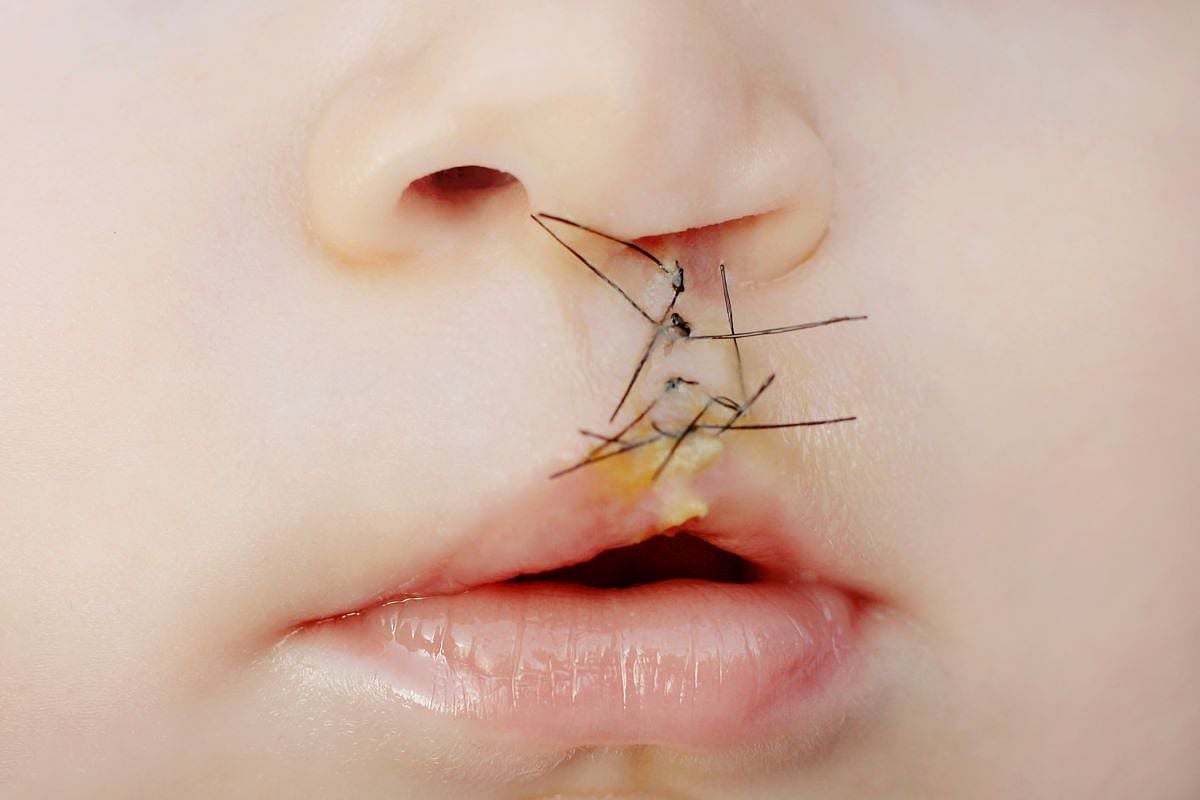
Using a nerve blocker before surgery to correct cleft palate can reduce or eliminate the need to prescribe infants opioids to manage post-procedure pain, a new study says.
A nerve block administered to a nerve that provides sensation to the palate, upper jaw and upper lip halts pain during the surgery and significantly reduces it afterward, researchers recently reported in the Journal of Craniofacial Surgery.
"Our study presents preliminary but promising results suggesting that suprazygomatic maxillary nerve block may reduce perioperative opioid consumption in pediatric primary clefts particularly cleft palate closure," senior researcher Dr. Rutger Schols said in a news release. He’s a plastic surgeon at MosaKids Children’s Hospital in the Netherlands.
About 1 in every 1,600 babies in the U.S. are born with a cleft palate, in which the roof of the mouth doesn’t join together completely during gestation.
Early surgery, typically performed at 6 to 12 months of age, is essential for children to have normal speech, swallowing and breathing.
Opioids typically are used to manage kids’ pain post-surgery, but they increase risk of nausea, vomiting, constipation and depressed respiration among young children, researchers said.
For the new study, researchers tested whether a nerve block would help pain management among 10 babies undergoing cleft palate surgery. The infants were an average 7 months old.
Results showed that the average morphine dose following cleft palate surgery was 0.1 milligrams in the nerve block group, compared to 0.75 milligrams among 10 other infants who got the surgery without a nerve block.
What’s more, 7 of the 10 infants treated with a nerve block didn’t need any morphine at all for pain control, relying instead on non-opioid pain meds, researchers said.
Infants with the nerve block also spent a little less time in the hospital, leaving after two days compared to two-and-a-half days for children who didn’t get the nerve block.
However, researchers noted that their study was small, and that patients were not randomly assigned to either the nerve block or standard care group. Larger trials are needed to confirm these findings.
"By assessing this targeted approach, we aim to contribute to the development of standardized perioperative pain management protocols, ultimately optimizing recovery and reducing hospital length of stay in this vulnerable patient population,” researchers wrote.
More information
The U.S. Centers for Disease Control and Prevention has more on cleft palate.
SOURCES: Wolters Kluwer Health, news release, Dec. 12, 2025; The Journal of Craniofacial Surgery, Dec. 6, 2025
